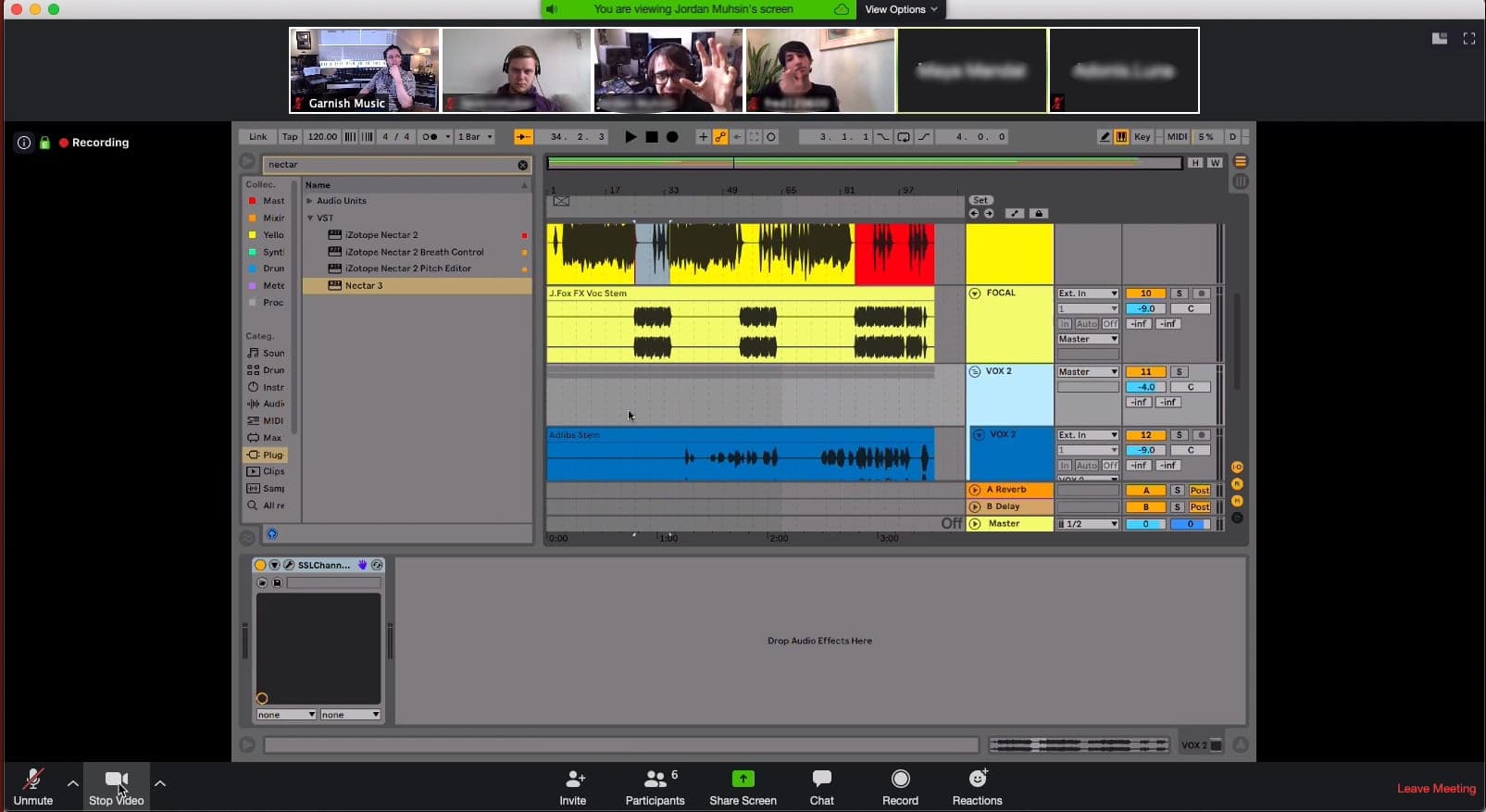
360° Garnish Music Academy | Seattle
360° Garnish Music Academy
At Garnish, we don’t just teach software—we teach the art of music production. This boutique-style program is designed for aspiring producers who want to take their music seriously and come away with more than just knowledge. By the end, students leave with their own completed project, a curated personal sound library, and the professional skillset to build a career in music production.
Seattle students take the 360° Garnish Music Academy in a small group at our studio, or live online in the same session with the same instructor, using our specialist music collaboration software, Muse. The city has a deep electronic and independent music scene, and our teachers are part of it.
Beats & Pieces
- →Within weeks into class, you will be working your way around your DAW, as it serves you long-term as one of your most essential creative tools. Through a practical hands-on teaching style. You will explore key concepts, such as MIDI programming, sampling, audio manipulation and arranging.
- →"I switched to Ableton from Logic many years ago, but recently I've been missing Logic, so I decided to brush up to get the best of both worlds. I called Garnish, of course and the guys were great and got me back up to speed in no time" Jamie Jones
Music Composition
- →You will learn the fundamentals of music composition, making you a more efficient producer. Learn and program chords which work well together, discover catchy lead lines, and bass lines that groove. Classically trained students who have taken this course repeatedly tell us how this part of the program has given them new tools and techniques.
Audio Engineering
- →Become grounded in audio engineering and recording with essential techniques and tricks of the trade. This part of the course emphasizes correct recording practices, and vocal production. Even though music producers are not expected to be singers too, the more we understand about vocal production and recording, the better the final product! This includes knowing how to motivate, coach, and produce our artists. Singing is not mandatory during these sessions - we understand! Feel free to just listen.
Mixing & Mastering
- →Know your space; learn the fundamentals behind acoustics and how to correctly stage your studio for cleaner and better sound. Then get your hands dirty with dynamic controllers, in-depth EQ, making the most of the frequency spectrum, mixing vocals, expanding song elements, creating cohesive sound, and awesome professional plugins, including our software partners, FabFilter .
Electronic Sound Design
- →While even many pro electronic producers stick with only subtractive synthesis during their career, you will go beyond by exploring subtractive, granular, additive, wavetable, and frequency modulated synthesis. This section also covers sampling, glitch, resampling, and additional beat-making techniques to broaden your sound.
Marketing & Artist Development
- →Take advantage of our small class sizes and hand-tailored advice from your instructors during this module, focused on finishing and refining your projects and what to do next!
Top-Line
- →Struggling to write songs that contend with the hits? Reading songwriting books and watching endless hours of Youtube tutorials don’t seem to be making a difference? Our Top-Line Songwriting module advances your songwriting abilities with a direct approach and advice that other sources neglect to share, bringing the hit songwriter out in you!
Build Beats Better
- →Rhythm Section Programming - Think like a drummer or a strummer: Program beats, riffs, and fills that sound like… well… beats, riffs, and fills.
- →Composition - You should really have a good idea of production AND music if you wish to take giant leaps in the direction of producing the music you love. And music is what this unit is all about.
- →Vocal Production - Record, produce, and mix a quality vocal — mic technique, editing mastery, tuning & mixing vocals and a virtual studio visit with a vocalist at work.
- →Electronic Sound Art - Bend electronic instruments to your will: Create groundbreaking dance music in any DAW. Advanced Sound Design covers the foundations of House, Techno, Tech-House, EDM and Bass.
- →Hip Hop Production - Learn how to record, write, collaborate, and produce Hip Hop! Styles include Boom Bap, East Coast, West Coast, Southern, and Trap. Explore and craft the skills to make your drums knock and your 808s rumble.
- →Mastering - Put that final polish on your mix. Learn the art of mastering, and then get it to land safely in all the right places.
More Free Stuff!
- →Thanks to our exclusive licensing partnerships, we have assembled a range of specialized assets: synthesizers, effects, and samples for Garnish Academy students. These instruments and sounds allow us to teach producers, side by side, using the same sets of expanded resources. Our constantly evolving license-partners and content producers add thousands of dollars to the value of our Producer and Academy courses. Many of these products are yours to keep. Others are free to use while you learn and are then eligible for exclusive upgrades at a fraction of their regular price.
- →We have our very own boutique sample label. Garnish students get all of our packs (mostly written and produced by Garnish instructors) for free, and an exclusive pack just for Garnish students not sold on the site! It's recorded individual keys from Mark Ronson's Mellotron M4000D, which our label chief Zack Johnson meticulously recorded in Mark's studio in Hollywood. Thank you Zack and Mark!
Whether you’re aiming to break into the industry, build a professional portfolio, or simply refine your creative voice, this program offers the mentorship, tools, and structure to make it happen. Discover qualities that distinguish us, here.
In our students' words.
“I took the Garnish class and it opened up my eyes to the fundamentals of production.”
J-Dog (Hollywood Undead)
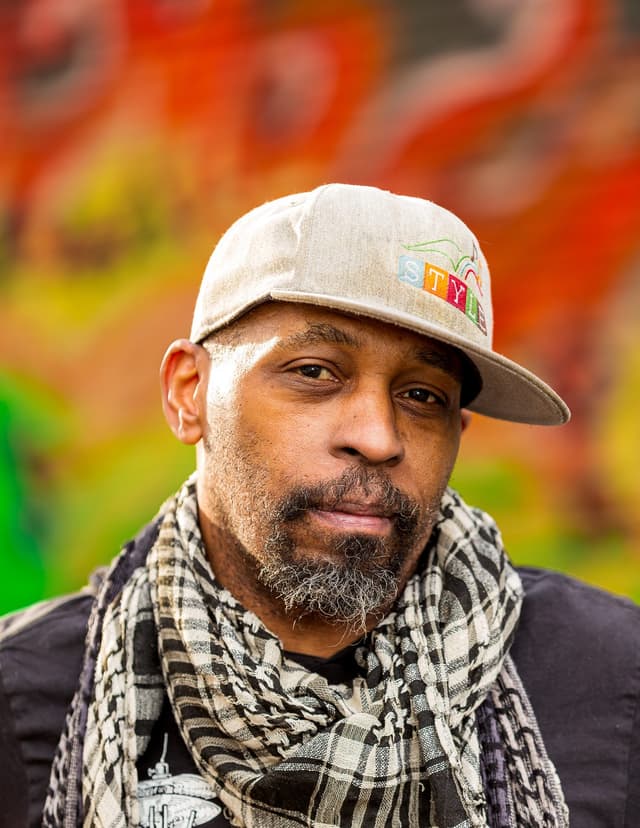
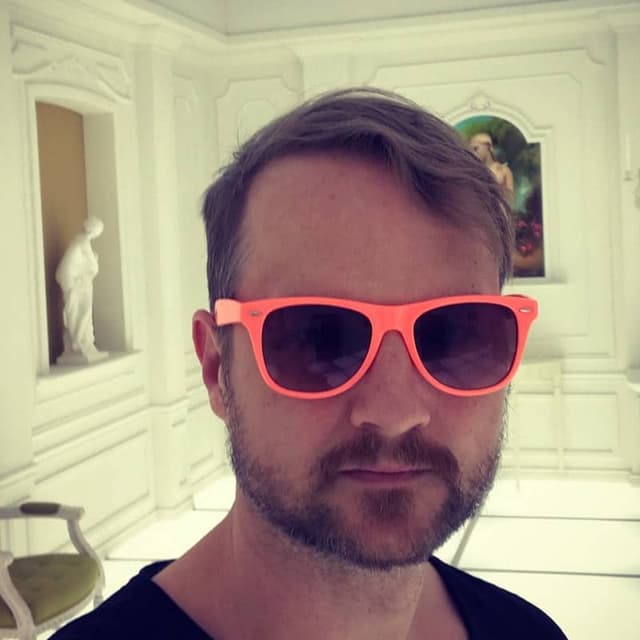
Instructors


Before you enrol.
Yes. Every session runs in person and live online at the same time, so you join whichever suits you and can switch between them.
Your own completed project, a curated portfolio of your work, and a certificate - the year is built around what you are making, not around a syllabus you sit through.
Never more than ten students, so every session is hands-on and every project gets attention.
The tuition for this campus is stated on this page, just above the call to action, with the registration fee and the early-booking discount.
No. The Academy opens at the fundamentals and builds through production, sound design, mixing and mastering to the business side - self-taught producers use it to fill the gaps, beginners use it as the whole road.
A year, at 360 hours of instruction. The schedule skips the major holidays, so the year is designed to be finishable alongside a life.
$14,999 + $500 registration fee ($200 if 14 days before start) | Schedule Skips Major Holidays
Ready when you are.
InquireMultisampling with Sampler
Building a playable instrument out of your own recordings: how many samples, where to put the split points, velocity layers, round-robin, and importing third-party libraries.
Read →Drift: Subtractive, Done Properly
The subtractive synth that sounds analogue without pretending to be a vintage model. Two oscillators, one filter, and the modulation section that makes it worth the CPU.
Read →The Max for Live Utilities Worth Knowing
You do not need to open Max to use Max. Six bundled devices - Envelope Follower, LFO, Shaper, Expression Control, Note Echo and MPE Control - that do things Live cannot do otherwise.
Read →Working with Video
Live will import video, show it while you work, and export it with your audio. Enough to score a short film, cut a trailer, or sync a set to visuals.
Read →Automation
Automation is a tool that's used by many people to help static parameters develop into more dynamic ones and can really bring your sounds and productions…
Read →The Environment
The deepest, strangest room in Logic: a virtual wiring diagram of your entire MIDI setup, where data is patched between objects like a modular rig.…
Read →