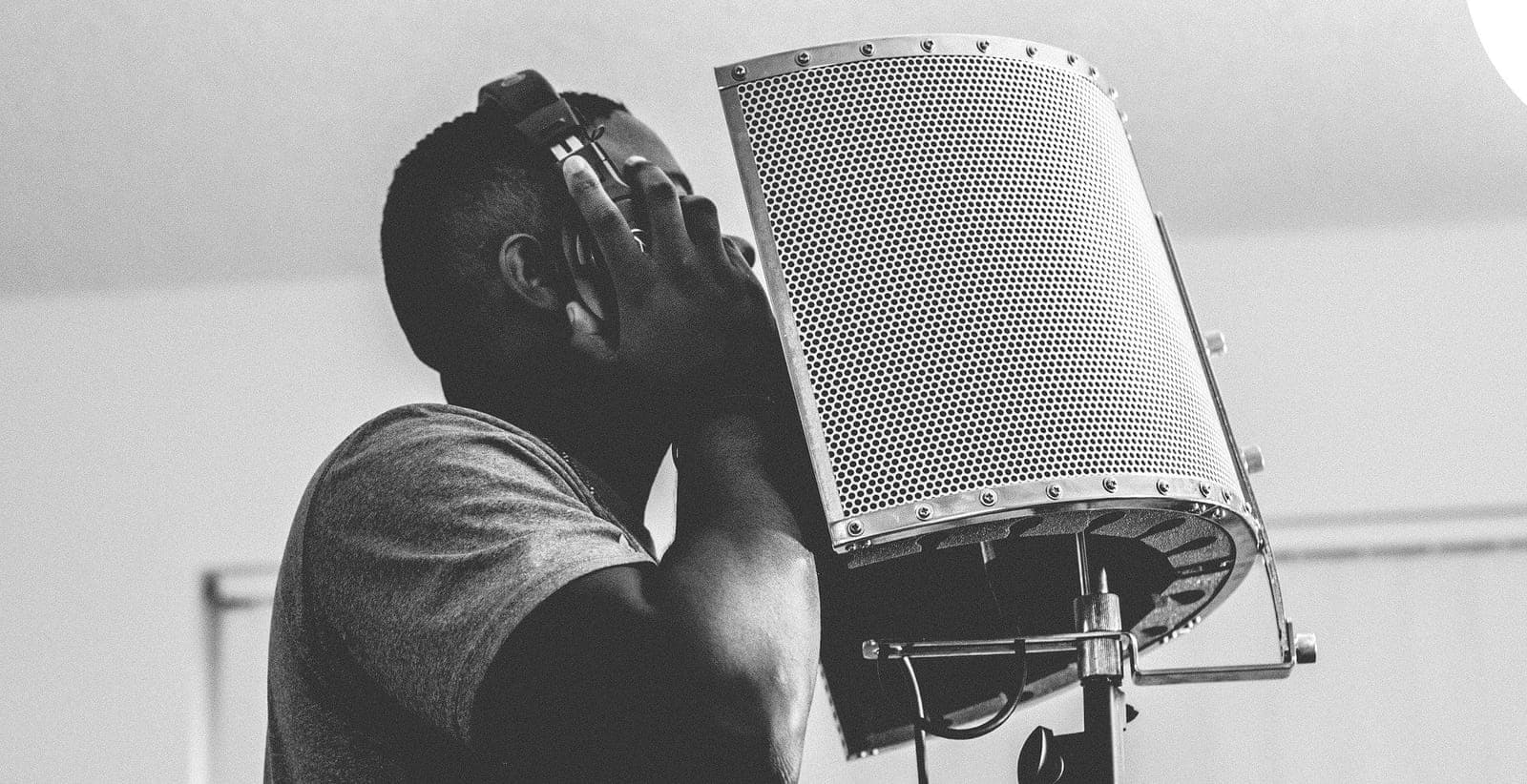
Vocal Production Class | Seattle
Vocal Production Course
Record, produce, and mix a quality vocal — mic technique, editing mastery, tuning & mixing vocals and a virtual studio visit with a vocalist at work.
Seattle students take the Vocal Production Class in a small group at our studio, or live online in the same session with the same instructor, using our specialist music collaboration software, Muse. The city has a deep electronic and independent music scene, and our teachers are part of it.
Vocal Instrumentation
- →Explore the voice as a versatile instrument. Uncover techniques to shape and enhance vocal tones, turning the voice into a dynamic instrument that adds depth and emotion to your productions.
Signal Chain
- →Navigate the intricate world of signal chains for vocals. Understand how to optimize your setup for clarity, ensuring that every nuance of the performance is captured with precision.
Performance Prowess
- →Dive into the heart of vocal performance. Learn how to bring out the best in a singer, capturing the raw emotion and subtle nuances that make each performance unique.
Editing Finesse
- →Refine your editing skills for a polished vocal delivery. Explore techniques to enhance timing and pitch while maintaining the natural feel of the performance, creating a seamless and engaging listening experience.
Harmony Harmony
- →Elevate your vocal arrangements with backing vocals. Discover the art of crafting harmonies that complement and enrich the main vocal, adding a layer of depth and dimension to your sound.
Mixing Vocal Considerations
- →Enter the realm of mixing with a focus on vocals. Explore considerations like EQ, compression, and effects tailored specifically for vocals, ensuring that your vocal elements sit perfectly in the mix.
Even though music producers are not expected to be singers too, the more we understand about vocal production and recording, the better the final product! This includes knowing how to motivate, coach, and produce our artists. Singing is not mandatory during these sessions - we understand! Feel free to just listen.
It's not just about recording vocals; it's about crafting an experience that connects with listeners in a meaningful way. Discover qualities that distinguish us, here.
In our students' words.
“The small class size allowed the instructor time to give us individual attention/feedback. The teaching style was easily adjusted according to the levels in the class. As a very new producer, I never felt left behind. I never would have thought I could make this much progress in just 6 weeks!”
Andie Arbogast
Instructors

Before you enrol.
18 hours in a group, or 11 hours 1-on-1.
Yes - crafting backing vocals and harmonies that add depth without crowding the lead vocal.
Getting your setup right so every detail of a performance is captured cleanly before you even get to editing.
Yes - Vocal Production Private Instruction connects you with a specialist.
Yes - sessions are available in-person or Live Online.
You'll learn how to motivate, direct and get the best performance out of a singer - capturing the emotion and nuance that makes a vocal take work.
$799 + $100 Registration if booked 14 days before start or $999 + $200 Registration
Ready when you are.
InquireVocals
Dynamic control is an essential part of recording vocals. The best dynamic control is achieved from someone who knows good mic technique, getting closer…
Read →Microphone Polar Patterns for Beginners
by Katie Gilchrest Understanding how microphones “hear” is the first step in learning how to mic instruments properly. The directionality of a microphone is commonly explained as a polar pattern, and microphone use in the studio, as well as live settings vary based on each one. Understanding microph
Read →Vocal Processing
Microphone Modelling Different mics have different sonic "signatures." A lot of this involves the microphone’s distinctive frequency response, so mic modelling software or hardware analyses a reference microphone’s response (along with other selected characteristics), and applies this signature to y
Read →How to Record Vocals When Producing A Singer - Vocal Production
How to Record Vocals When Producing A Singer - Vocal Production By Chris Porter Firstly, let’s explode the myth that vocals are anything other than another instrument, or colour (depending on how you like to view things!) that you use to build up a musical picture. Yes, they convey language as well
Read →Choosing Monitors
Setting up your Monitors and your room – What are the different types of monitors? – How should your monitors be positioned? – Getting the best acoustics…
Read →How to EQ Vocals
How to EQ Vocals Katie Gilchrest's guidelines on how to EQ vocals. For most styles of music, vocals are one of the most important parts of the mix. Poorly EQd vocals can cause detriment and distraction to an otherwise great song. Equalization using a parametric EQ is a tool that can allow vocals to
Read →