Rhythm Section Programming Class | Seattle
Rhythm Section Programming
Think like a drummer or a strummer: program beats, riffs and fills that sound like… well… beats, riffs and fills. A programmed rhythm section usually sounds programmed: hi-hats at the same velocity from top to bottom, a bassline that never answers the kick, a guitar part no guitarist would play. This course is about the difference - how drummers, bassists and guitarists actually approach their parts, and how to get that into a sequencer.
Seattle students take the Rhythm Section Programming Class in a small group at our studio, or live online in the same session with the same instructor, using our specialist music collaboration software, Muse. The city has a deep electronic and independent music scene, and our teachers are part of it.
Drumming Insights
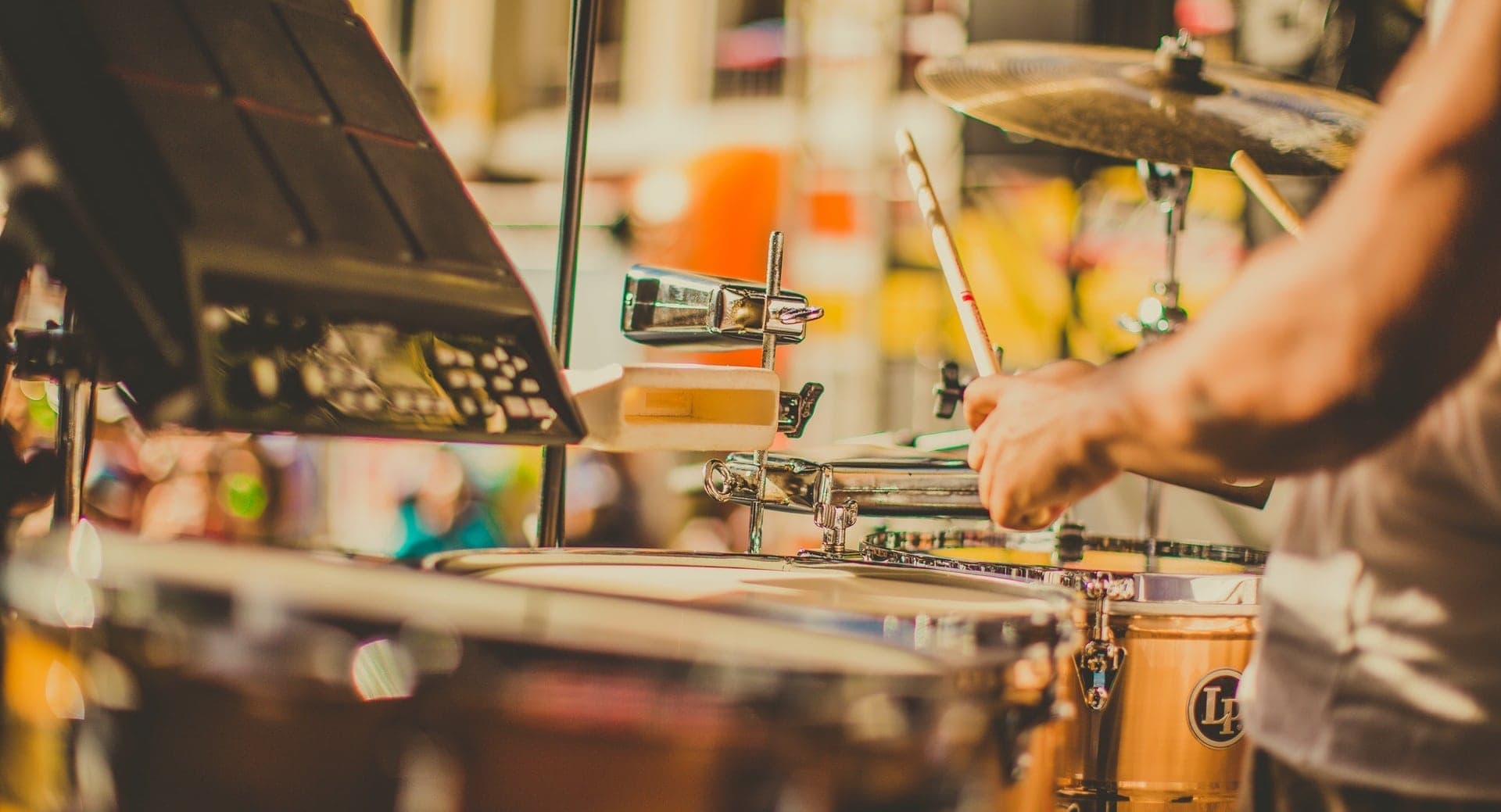
- →Step into the mindset of a drummer. Explore the art of crafting realistic drum patterns and fills that groove with authenticity, adding a rhythmic heartbeat to your music.
Guitar and Bass
- →Elevate your stringed instrument programming to new heights. Learn techniques to infuse your guitar and bass parts with musicality, creating layers that complement and enrich the overall sound.
Session Musician Secrets
- →Peek behind the curtain of top session musicians. Understand how they approach their instruments, picking up invaluable tips to infuse your production with the finesse and expression that sets the pros apart.
Rhythm Section Mastery
- →Uncover the secrets of the rhythm section—the backbone of your beat. Master the essential building blocks that bind your music together, creating a solid foundation that propels your compositions forward.
Over 18 hours you take each in turn: drum patterns and fills that groove, stringed parts with phrasing and musicality, and the habits session musicians bring to a take. You leave with a rhythm section that holds a track together rather than sitting under it. Discover qualities that distinguish us, here.
In our students' words.
“The small class size allowed the instructor time to give us individual attention/feedback. The teaching style was easily adjusted according to the levels in the class. As a very new producer, I never felt left behind. I never would have thought I could make this much progress in just 6 weeks!”
Andie Arbogast
Instructors

Before you enrol.
Building authentic drum patterns and fills, writing musical guitar and bass parts, picking up session musician technique, and locking in the rhythm section as your track's foundation.
Producers who are already programming beats and basslines but want them to feel less mechanical and more like a real band recorded them.
No - none of that is required to follow the course.
Hit the "Connect" button and a placement expert will get back to you within a business day.
Yes - 11 hours of 1-on-1 instruction is available through the Rhythm Section Programming Private Instruction page.
$799 + $100 Registration if booked 14 days before start or $999 + $200 Registration
Ready when you are.
InquireDrum Sampler
The drum-specific sampler: one sample, the controls that matter for a hit, and nothing else. What it does that Simpler does not.
Read →Beat Mapping and Tempo Operations
Smart Tempo covers most of what you need. This is what you use when it does not: a live take that breathes, a rubato piano part, a band recording made…
Read →M4L Devices: M4L Drum Synths
DS Clang consists of two separate tones, white noise and a filter, allowing you to create a variety of cowbell, clave and noise percussion sounds.
Read →Step Sequencer: Beyond the Grid
The basics of Step Sequencer are in the Logic Pro course. Logic 12 rebuilt a great deal of it, and the parts that got rebuilt are the parts that make a…
Read →Audio FX 3
You can use reverb effects to simulate the sound of acoustic environments such as rooms, concert halls, caverns, or an open space.
Read →Intro to Mixing
Mixing a project involves balancing the different parts of the project and blending them into a cohesive whole. Most of this is managed in the Mixer view,…
Read →